The image
The document is Shot Craft: The Talking Head, an educational column by Jay Holben published on the ASC's site on 3 November 2021. It includes a production photograph of a documentary subject lit with what the caption calls Rembrandt-style portrait key lighting for the Netflix film The Social Dilemma, with the main camera angle set just off the subject's eyeline.
What the documents show
Holben's text states directly that a talking-head interview is 'a perfect opportunity to break out classic three-point lighting and model the subject with key, fill and backlight,' and describes the shadow-side-to-camera placement that produces the Rembrandt triangle highlight shown in the accompanying still. The same column, current as retrieved on 16 September 2026, calls this a classic approach rather than a mandatory one, then goes on to describe alternatives, greenscreen, silhouette, or naturalistic dappled light, chosen for other documentary situations. A separate ASC Press text, Stephen H. Burum's workshop material reprinted as Lighting a Set, documents a different working framework from the same Society: Burum describes three universal functions of light, casting a shadow, creating separation and adding fill, which he treats as underlying every lighting choice, key-fill-back included, rather than as a competing rule.
Production context
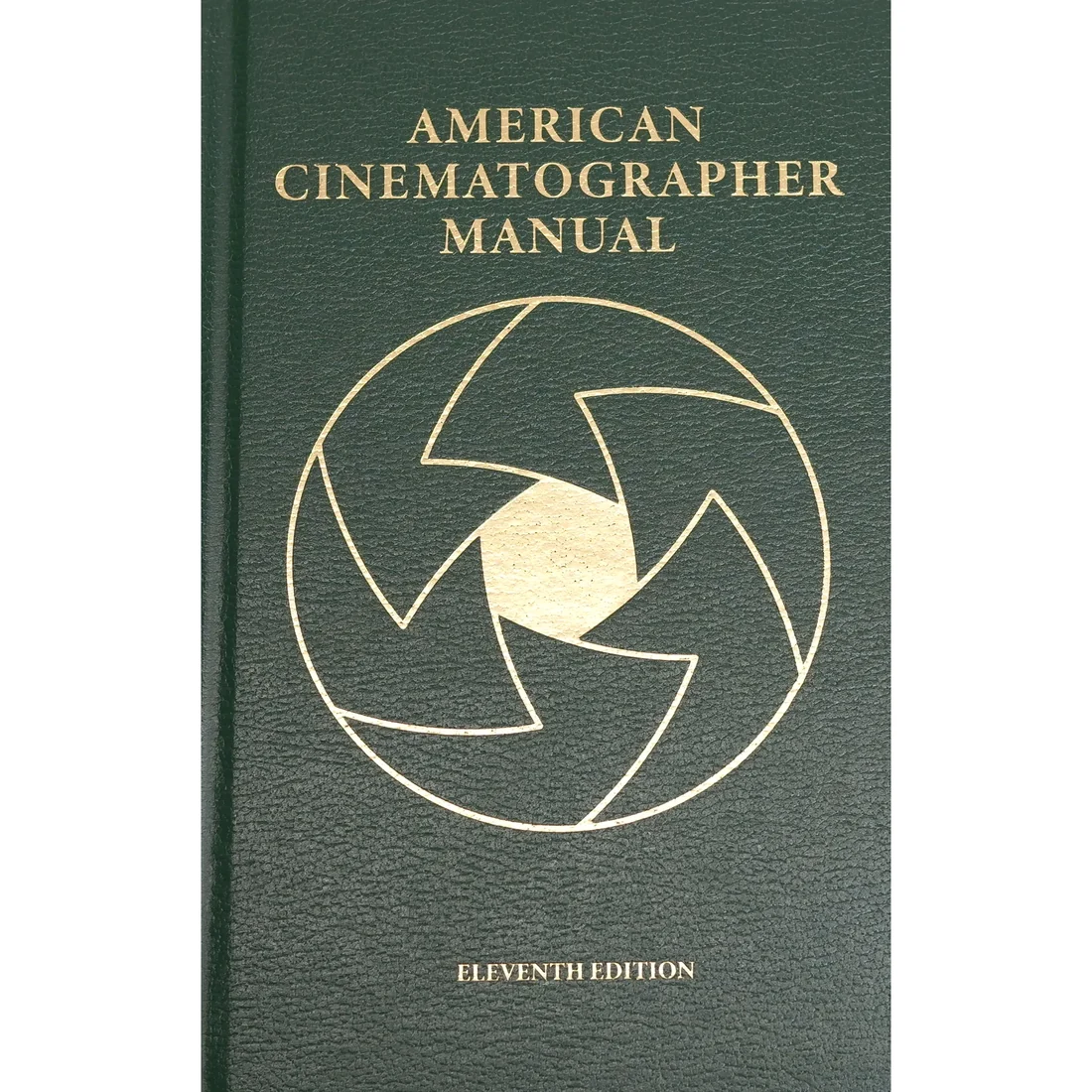
Editorially, both documents describe three-point lighting and its variants as a teaching baseline used to explain a starting setup to students or to a documentary crew working fast, not as a description of how every scripted feature is actually lit. The ASC's own current American Cinematographer Manual, 11th edition, sold through the Society's store, is described by its publisher as covering topics from sensor evaluation to virtual production, indicating the reference has expanded well beyond a single lighting diagram.
Reference versus imitation
Citing three-point lighting as an ASC-documented teaching technique is accurate when tied to a source like Holben's column that names it explicitly; presenting it as the only method the Society endorses ignores Burum's differently framed material from the same publisher. A production that departs from key-fill-back is not violating a standard, since neither document claims universal application.
- Does the source call a technique classic or teaching-oriented, rather than universal?
- Is a second ASC-published framework checked before treating one column as the whole picture?
- Does a captioned example name the specific film and role the technique served?
As a living document, the ASC's published craft material keeps adding scene-specific examples; this entry reflects what two of those texts state as retrieved on 16 September 2026.
Sources & reading trail
States that three-point lighting (key, fill, backlight) is classic interview technique and describes the Rembrandt variation with a named example.
Source published: 3 November 2021 · Retrieved: 16 September 2026
Documents Stephen H. Burum's ASC Press framework of shadow, separation and fill as the underlying functions of lighting.
Source published: Not established · Retrieved: 16 September 2026
Confirms the current American Cinematographer Manual's scope and publisher as the ASC's own technical reference.
Source published: Not established · Retrieved: 16 September 2026
Records, documentation and rulings establish the entry; the reference-versus-imitation reading is Screen Visual Lab editorial analysis. This retrospective draft does not imply the site published on the event date.