The image
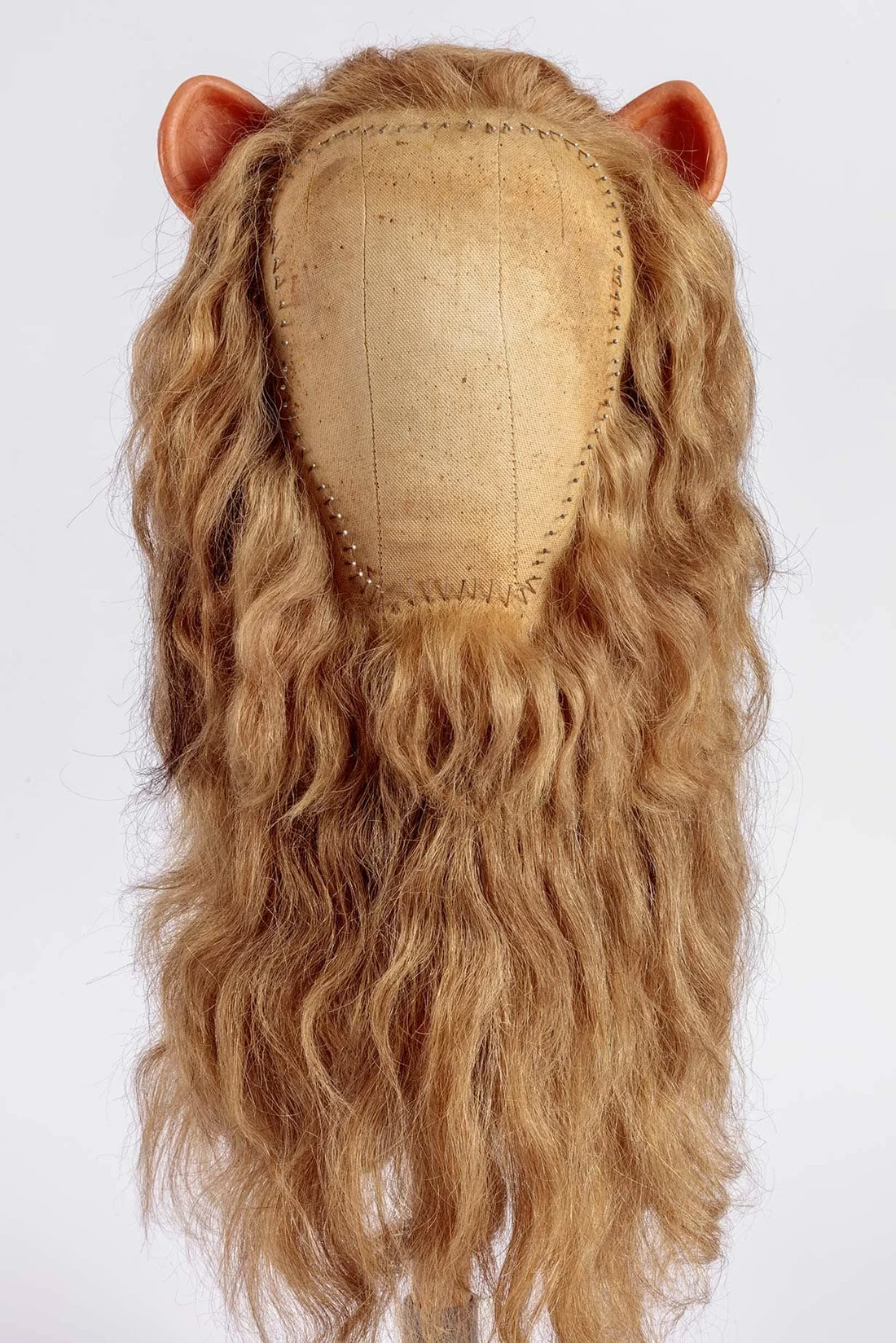
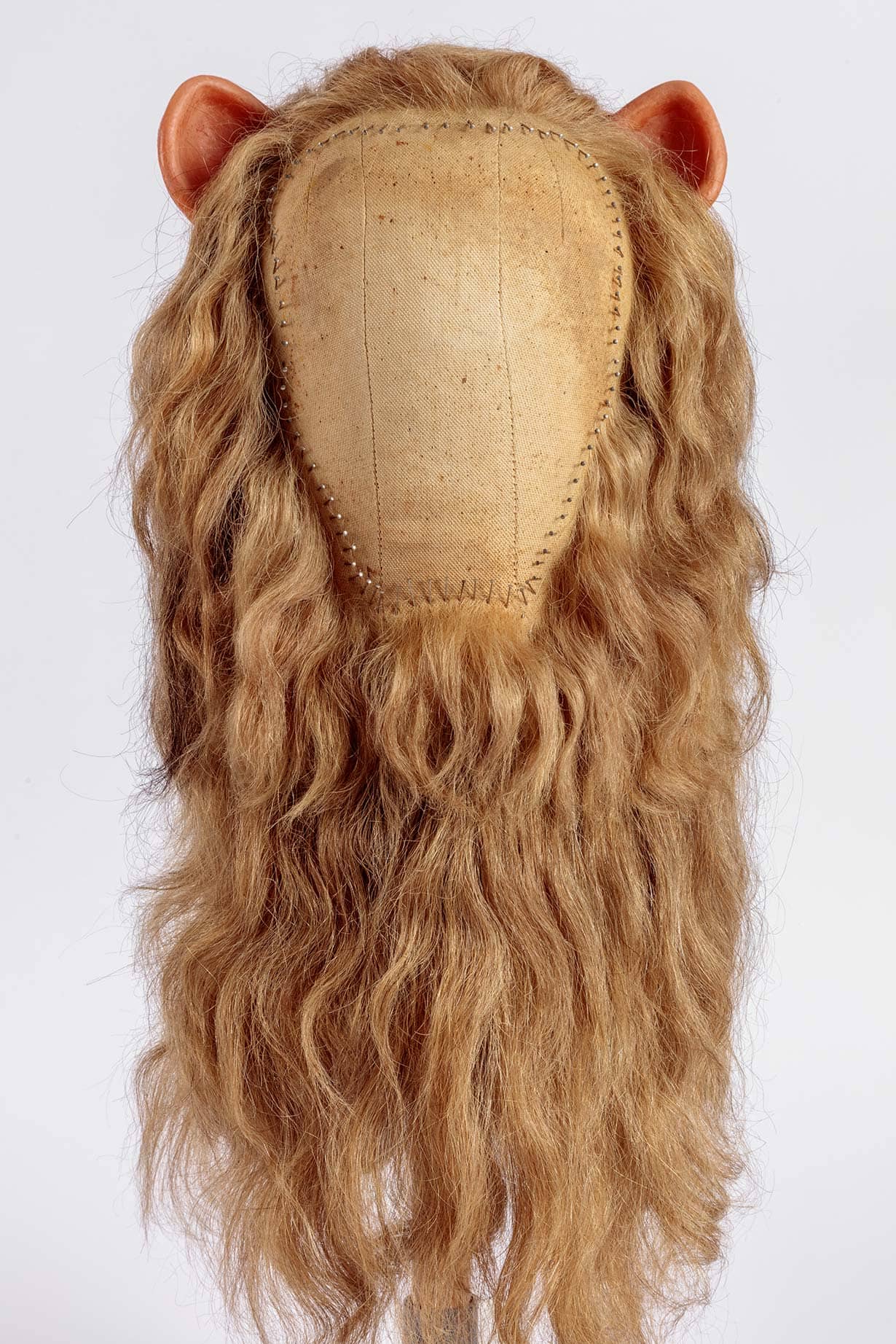
The Academy Museum's own object record for the Cowardly Lion's mane worn by Bert Lahr in The Wizard of Oz (1939) states two separate credits for one accessory: 'Makeup design, Jack Dawn. Wig created by makeup artist Charles H. Schram.' The record lists the materials as hair, mesh lining and netting with recreated ears, and notes the piece entered the Academy Collection as a gift of Schram himself in 1984. The photograph accompanying the record is credited to Joshua White, JWPictures, for the Academy Museum Foundation. That is the specific object and the specific paper trail behind it, not a general claim about who dressed the film.
What the documents show
Two credits on one museum record already complicate a single-author story: a design credit for Jack Dawn, MGM's makeup department head, sits beside a construction credit for Schram, who built the wig and later donated it. Separately, Technicolor's own company history page, current as retrieved on 16 September 2026, states that 'Technicolor shaped the era's style with classics like The Wizard of Oz and Gone With the Wind, winning an Academy Award for its three-color production' under a heading it calls 'Hollywood Goes Full Color.' That is Technicolor describing its own process reaching two 1939 films; it is not a claim about which MGM department chose the palette scene by scene, and neither document names an art director or describes the film's sepia-to-color device.
Production context
Read alongside each other, editorially, the two records point to a practical constraint rather than a single creative decision: a makeup department building character pieces for a three-strip Technicolor production had to satisfy color separation limits the process imposed, which is why such productions kept close coordination between art, makeup and the studio's Technicolor advisers. Neither source documents that coordination directly for this film, so the reading is offered as context, not as a sourced fact about MGM's working method in 1939.
Reference versus imitation
The Academy's own cataloguing habit is instructive for a reference practice: it names a designer, a maker and a donor for a single small object, rather than folding all three into 'the Wizard of Oz costume department.' Technicolor's anniversary-style company history, by contrast, is promotional copy about a real technical result, not a neutral technical account, and should be read as the company's own framing rather than quoted as independent history. Citing a museum's maker credit for a specific artifact is a different act from citing a corporate timeline as if it settled who was responsible for a creative choice.
- Does a credit line name a designer, a maker, or both, and are they the same person?
- Is a company's own history page being read as promotional framing or as neutral technical record?
- Does a claim about a film's look rest on an object record, or on an undocumented general impression?
Set side by side, a single museum object and a company's own history page establish a narrower, more reliable claim than 'MGM invented Technicolor glamour': one accessory had two named contributors, and one process reached two famous films in the same year.
Sources & reading trail
Names makeup designer Jack Dawn and wig maker Charles H. Schram, and records the 1984 gift that brought the object into the Academy Collection.
Source published: Not established · Retrieved: 16 September 2026
Technicolor's own company history stating its three-strip process was used on The Wizard of Oz and Gone with the Wind in 1939.
Source published: Not established · Retrieved: 16 September 2026
Records, documentation and rulings establish the entry; the reference-versus-imitation reading is Screen Visual Lab editorial analysis. This retrospective draft does not imply the site published on the event date.